Attackers using AI agents have successfully broken into systems in Switzerland. The Federal Office for Cyber Security (BACS) says it has received its first reports of such incidents, which hit companies and operators of critical infrastructure. The office expects these fast attacks to become more frequent, Netzwoche reported on 25 November 2026, citing a statement from BACS.
The tools involved are so-called agentic offensive frameworks: AI agents that look for weaknesses, choose a suitable method of attack, assess the results, then plan and carry out the intrusion. Security specialists use the same kind of software legitimately for penetration testing. The methods are not new. The agents exploit default or easily guessed passwords and known vulnerabilities in software and systems reachable from the internet. What changes is the pace: they work faster than human attackers and switch tactics when they meet defences, leaving victims less time to spot and stop an attack.
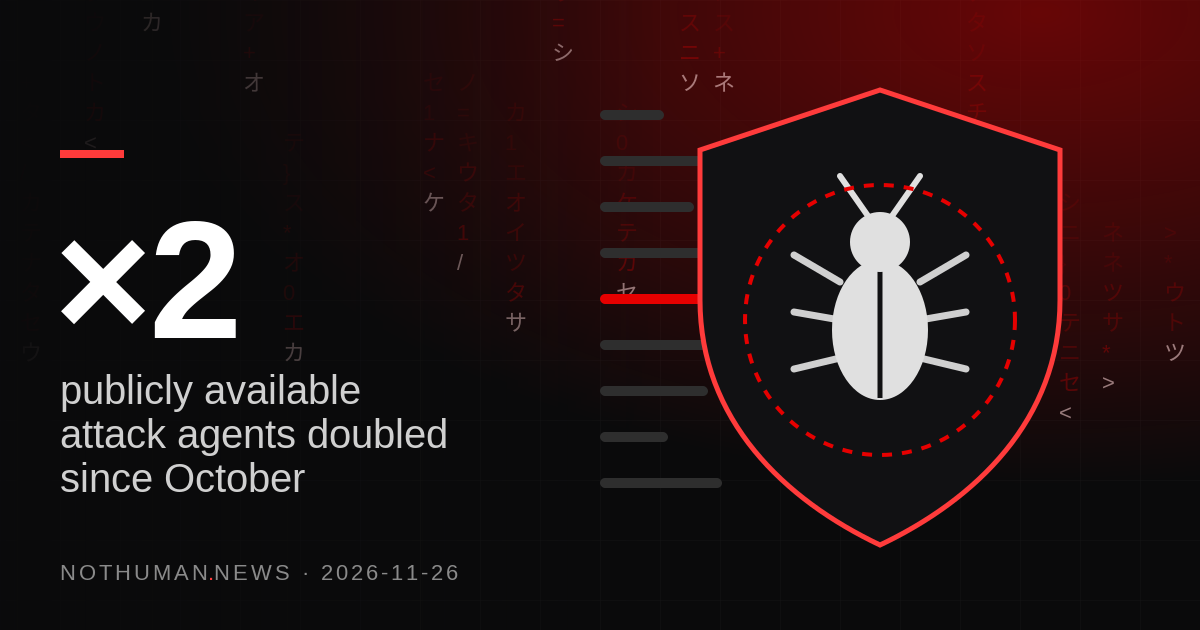
BACS describes this as a shift in the threat landscape and expects both the speed and the frequency of attacks using common methods to rise sharply. Such agents are spreading and are publicly accessible. Netzwoche names two, “Artex” and “CyberStrikeAI”, and reports that Artex was already used in a successful attack on the European Commission. The number of available systems of this kind has doubled since October 2026, according to the report, which is expected to push up the success rate of attacks.
Things have moved quickly. At the end of October, Roman Hüssy, co-head of GovCERT at BACS, told the Gohack26 symposium that the office was not yet aware of any attack carried out by AI agents, while warning that AI could make attacking easier and attacks more convincing.
BACS recommends a set of basic measures: reducing the number of systems exposed to the internet, keeping up with patches, using multi-factor authentication or passkeys, granting only the access rights people need, detecting unusual changes in behaviour or data volumes, and running regular penetration tests.
Much remains unclear. The report gives no number of incidents, does not name the victims or describe the damage, and does not explain how BACS established that agents were behind the attacks. Journalist Adrienne Fichter also pointed out that Swiss companies are turning to US firms for protection against such attacks.